011 482 0088info@dellnerbubenzer.co.za
Click Here to visit
the Global Website of
DELLNER BUBENZER
Single-Banner-001

Comparing Drum and Disc Brakes in Industrial Equipment

In heavy-duty industries, braking systems are far more than a safety feature; they are a core component of operational control, reliability, and machine longevity. Whether used in cranes, hoists, conveyors, or wind turbines, industrial brakes ensure safe operation, precise motion control, and effective load management under challenging conditions.

Huebner Speed Monitoring specialises in premium Dellner Bubenzer industrial brake systems, providing high-performance braking solutions across South Africa. Our portfolio includes both drum and disc brakes, engineered for static and dynamic applications, offering optimal functionality, efficiency, and safety in every environment.

What Are Industrial Drum Brakes?

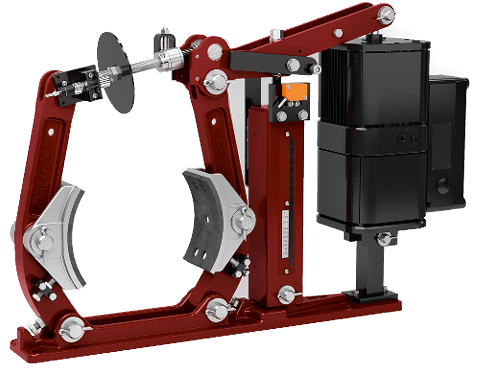
Industrial drum brakes are mechanical or electromechanical systems that use friction to slow down or stop the motion of rotating equipment. They consist of a brake drum that rotates with a wheel or shaft, and brake shoes that press against the drum’s inner surface to create friction and deceleration.

Drum brakes are widely used across industries where consistent braking torque, dust protection, and low maintenance are key priorities. Typical applications include:

  • Overhead and gantry cranes
  • Conveyor systems
  • Steel mills and foundries
  • Hoisting and winching equipment
  • Mining machinery
  • Marine and port handling equipment

Because of their robust design and enclosed structure, industrial drum brakes are ideal for harsh environments where reliability and durability are essential.

The Dellner Bubenzer Advantage

Through our partnership with Dellner Bubenzer Germany, Huebner Speed Monitoring delivers cutting-edge braking systems that combine precision engineering with proven performance. Dellner Bubenzer’s industrial drum brakes are designed for long service life, minimal maintenance, and superior braking force consistency, even under heavy loads.

Key advantages include:

  • High braking torque capacity for demanding industrial operations.
  • Self-lubricating components that reduce wear and maintenance frequency.
  • Corrosion-resistant materials for harsh and outdoor environments.
  • Customisable configurations for specific torque and space requirements.
  • Compliance with international safety standards for critical equipment performance.

These industrial drum brakes are available in both electro-hydraulic and spring-applied designs, catering to applications that require precise control or emergency braking.

Comparing Drum and Disc Brakes in Industrial Equipment

When choosing between industrial drum brakes and disc brakes, understanding the functional and performance differences is key to selecting the right system for your machinery.

Design and Operation

  • Drum Brakes: Use brake shoes pressing against the inside of a drum. The enclosed design protects components from dust, moisture, and contaminants, ideal for rugged environments.
  • Disc Brakes: Use pads pressing against a rotating disc (rotor). They are typically more compact and dissipate heat more efficiently, but are more exposed to environmental wear.

Heat Dissipation

  • Disc Brakes: Generally superior in cooling performance, making them ideal for high-speed or continuous-duty applications.
  • Drum Brakes: Can retain more heat during heavy operation but excel in intermittent braking where sustained heat is less of a concern.

Maintenance Requirements

  • Drum Brakes: Offer enclosed protection, meaning longer component lifespan and reduced contamination from dust and debris. Maintenance intervals are typically longer.
  • Disc Brakes: Require more frequent cleaning and inspection due to exposure, but are easier to service.

Durability in Harsh Environments

  • Drum Brakes: Better suited for harsh and outdoor conditions such as mining, port handling, and steel production, where dust, dirt, and high loads are common.
  • Disc Brakes: Better for cleaner, controlled environments or applications prioritising rapid, repetitive braking cycles.

Cost Efficiency

  • Drum Brakes: Generally offer a lower total cost of ownership due to their rugged construction, simple operation, and reduced maintenance needs.
  • Disc Brakes: Higher initial costs but offer precision control for applications where heat management and modulation are critical.

Application Suitability

Industry/Application Recommended Brake Type
Mining and material handling Drum brakes
Wind energy systems Disc brakes
Steel mills Drum brakes
Port cranes Drum brakes
Elevators and hoists Both
Industrial automation Disc brakes


Both technologies serve specific functions within industrial braking systems; drum brakes excel in rugged, heavy-duty applications, while disc brakes are preferred for high-speed, precision environments.

Why Choose Industrial Drum Brakes

When equipment operates in extreme conditions, exposed to dust, vibration, and heavy loads, industrial drum brakes offer several distinct benefits:

  • High reliability: Proven design with consistent torque output.
  • Reduced downtime: Fewer moving parts and lower maintenance requirements.
  • Extended lifespan: Resistant to corrosion and mechanical fatigue.
  • Safety: Excellent holding capability for static braking.
  • Flexibility: Available in various torque ranges and mounting configurations.

In industries such as mining, steel manufacturing, and materials handling, these advantages translate directly into cost savings, operational safety, and improved uptime.

Huebner Speed Monitoring – Your Partner in Industrial Braking Excellence

We are committed to providing the South African market with reliable, high-performance braking systems engineered by Dellner Bubenzer. Our team delivers tailored braking solutions that integrate seamlessly into your mechanical systems, ensuring operational safety, efficiency, and longevity.

Our product range includes:

  • Industrial drum brakes
  • Disc brakes
  • Wheel and gantry brakes
  • Motor-mounted brakes
  • Dellner Bubenzer BUEL® range
  • Buffers and accessories
  • Couplings, hubs, discs, and drums
  • Monitoring and control systems

With expert support and an extensive range of certified components, we help industrial clients across Africa achieve superior performance and compliance with global standards.

FAQs About Industrial Drum Brakes

What are industrial drum brakes used for?

Industrial drum brakes are used in heavy-duty equipment such as cranes, hoists, conveyors, and mining machinery to provide reliable braking and holding power under demanding conditions.

How do industrial drum brakes differ from disc brakes?

Drum brakes use internal shoes pressing against a rotating drum, while disc brakes use external pads pressing against a disc. Drum brakes are more enclosed, making them ideal for harsh environments.

Are drum brakes suitable for dynamic braking applications?

Yes. Modern industrial drum brakes from Dellner Bubenzer are designed for both static and dynamic applications, offering smooth performance and high braking torque.

What maintenance do drum brakes require?

They require minimal maintenance due to their enclosed design. Regular inspection of linings and hydraulic components ensures consistent performance.

Can drum brakes be customised for specific machinery?

Absolutely. Huebner Speed Monitoring can supply customised drum brake systems tailored to torque capacity, size constraints, and operating conditions.

What makes Dellner Bubenzer drum brakes unique?

Their advanced engineering, corrosion-resistant construction, and electro-hydraulic control systems make them among the most reliable and efficient brakes on the global market.

Where can I source industrial drum brakes in South Africa?

You can source genuine Dellner Bubenzer industrial drum brakes directly from Huebner Speed Monitoring, South Africa’s authorised distributor and service provider.

Enhance Your Industrial Safety and Efficiency with Huebner Speed Monitoring

Whether you need industrial drum brakes for a heavy lifting operation or precision disc brakes for automated equipment, Huebner Speed Monitoring provides trusted, German-engineered solutions backed by local expertise.

Contact us today to discuss your braking requirements and experience the reliability and performance of Dellner Bubenzer’s world-class systems.
Choosing the Right Braking System for Your Industrial Needs

In any industrial environment, safety and performance go hand in hand. Whether you’re working with cranes, conveyors, wind turbines, or heavy-duty processing machinery, one component plays a crucial role in operational control and accident prevention: the braking system. Selecting the right industrial braking systems is not just a matter of performance; it’s a matter of protecting equipment, people, and productivity.

Huebner Speed Monitoring is a trusted South African distributor of Dellner Bubenzer industrial braking systems, renowned for their precision, reliability, and advanced engineering. Designed for both static and dynamic applications, Dellner Bubenzer’s braking solutions have become the global benchmark for safety and performance in industrial operations.

This article explores how to choose the right braking system for your application, the types available, and why investing in a high-quality braking system is essential to long-term efficiency and safety.

Understanding Industrial Braking Systems

Industrial braking systems are specialised mechanical and hydraulic devices that control, stop, or hold the movement of machinery. They function as safety and performance mechanisms, ensuring that machinery can slow down or stop when required, whether it’s to prevent overload, maintain position, or bring moving parts to a controlled halt.

Unlike automotive brakes, industrial braking systems are engineered for extreme loads, high speeds, and continuous operation. They are designed to endure high mechanical stress, variable temperatures, and challenging environmental conditions such as dust, moisture, and vibration.

Key functions of industrial brakes include:

  • Stopping Power: Bringing moving equipment to a controlled stop.
  • Holding Power: Maintaining a stationary position, especially on inclined or vertical applications.
  • Control and Safety: Managing speed, preventing overshoot, and ensuring safe deceleration.

Types of Industrial Braking Systems

Choosing the right brake system depends on the nature of your operation, whether you need to stop, hold, or control motion. These are the most common types of industrial braking systems, each suited for specific applications.

Hydraulic Brakes

Hydraulic brakes use pressurised fluid to apply force, making them ideal for heavy-duty and high-torque machinery.

Applications: Cranes, steel mills, winches, and conveyors.

Benefits:

  • Smooth and precise braking control
  • High braking torque
  • Excellent reliability under continuous use

Electromagnetic Brakes

These brakes use electromagnetic fields to engage and release braking force quickly and efficiently.

Applications: Wind turbines, hoists, and electric motors.

Benefits:

  • Fast response time
  • Low maintenance requirements
  • Ideal for automation and remote operation

Disc Brakes

Disc brakes use pads to clamp onto a rotating disc, providing stable braking under variable load conditions.

Applications: Port cranes, wind energy systems, and steel processing lines.

Benefits:

  • High thermal capacity and energy absorption
  • Consistent performance in harsh environments
  • Easy replacement and maintenance

Drum Brakes

Drum brakes use friction between internal shoes and a rotating drum to generate braking force.

Applications: Industrial conveyors, elevators, and older heavy machinery.

Benefits:

  • High torque capacity
  • Durable and long-lasting under static loads
  • Suitable for emergency and holding brakes

Fail-Safe Brakes

These brakes automatically engage in the event of power or hydraulic failure, ensuring safety even during system outages.

Applications: Mining hoists, cranes, elevators, and offshore equipment.

Benefits:

  • Provides automatic emergency braking
  • Essential for high-risk environments
  • Increases operator and asset safety

Static vs Dynamic Applications

When selecting industrial braking systems, understanding the difference between static and dynamic applications is essential.

  • Static Braking: Used to hold a load in position when machinery is at rest, such as maintaining the position of a suspended load on a crane.
  • Dynamic Braking: Used to control or stop motion during operation, such as slowing down a rotating shaft or a conveyor belt.

Dellner Bubenzer braking systems, distributed by Huebner Speed Monitoring, are engineered for both static and dynamic environments. Their systems are designed to handle intense stopping forces while ensuring precise holding capability, providing a dual layer of safety and performance across various industries.

Factors to Consider When Choosing Industrial Braking Systems

Selecting the right brake system depends on your specific operational demands, safety requirements, and environmental conditions. Here are key factors to evaluate:

  • Load and Torque Requirements: Understand the weight, speed, and inertia of your machinery. Heavier loads require high-torque braking systems capable of absorbing significant kinetic energy.
  • Application Type: Determine whether your equipment needs stopping, holding, or controlling motion, or a combination of all three.
  • Environmental Conditions: Consider factors such as humidity, dust, temperature, and vibration. For example, marine or mining operations require corrosion-resistant, sealed systems for durability.
  • Power Source Availability: Hydraulic, pneumatic, and electric braking systems each have unique power requirements. Choose one compatible with your site infrastructure.
  • Maintenance and Reliability: Industrial environments demand low-maintenance and long-life braking solutions. Look for brands like Dellner Bubenzer that emphasise robust design, easy inspection, and component longevity.
  • Safety and Compliance: Always select braking systems that comply with relevant safety standards and local regulations. Certified systems ensure reliability and protect against liability.

The Dellner Bubenzer Advantage

Dellner Bubenzer is a global leader in the design and manufacture of high-performance industrial braking systems, trusted across industries such as:

  • Mining and material handling
  • Port and shipyard operations
  • Wind energy and hydropower
  • Steel mills and foundries
  • Construction and hoisting applications

Their products combine precision engineering with advanced materials and innovative technology to deliver:

  • Superior braking performance under extreme conditions
  • High thermal resistance and energy absorption
  • Compact, modular designs for space efficiency
  • Low maintenance and long service life
  • Custom solutions tailored to unique applications

As the exclusive South African distributor, Huebner Speed Monitoring supplies and supports Dellner Bubenzer’s full range of braking products, ensuring local access to world-class technology backed by expert service and technical support.

Why Partner With Huebner Speed Monitoring?

When it comes to industrial safety and motion control, precision matters. Huebner Speed Monitoring is dedicated to providing high-quality braking systems that combine reliability, safety, and innovation.

Our clients benefit from:

  • Access to premium Dellner Bubenzer products
  • Local technical expertise and support
  • Customised braking solutions for unique applications
  • Compliance with global safety standards
  • After-sales maintenance and component supply

We don’t just supply brakes; we ensure that your entire system performs with precision, efficiency, and reliability.

The Importance of Regular Maintenance

Even the most advanced industrial braking systems require regular inspection and maintenance to ensure optimal performance. Routine servicing helps:

  • Prevent unexpected downtime or equipment failure.
  • Extend component life and maintain efficiency.
  • Verify alignment, pressure, and wear levels.
  • Ensure compliance with safety standards.

Huebner Speed Monitoring offers comprehensive maintenance support, helping clients schedule inspections, replace worn parts, and optimise system performance, ensuring maximum uptime and safety.

FAQs About Industrial Braking Systems

What are industrial braking systems used for?

Industrial braking systems are designed to stop, hold, or control motion in heavy-duty machinery used in industries such as mining, steel production, ports, and renewable energy.

What is the difference between static and dynamic braking?

Static braking holds equipment stationary when not in use, while dynamic braking slows or stops moving machinery during operation.

How do I choose the right braking system for my equipment?

Consider load requirements, environment, application type, and safety standards. Huebner Speed Monitoring can help you select a customised Dellner Bubenzer system to meet your specific needs.

Why choose Dellner Bubenzer braking systems?

Dellner Bubenzer brakes are globally recognised for their durability, precision, and safety, offering advanced designs that perform in even the harshest industrial environments.

How often should industrial braking systems be serviced?

Service intervals vary depending on usage and environmental conditions, but routine inspection and maintenance are recommended at least twice a year to ensure reliability and compliance.

Contact Us For Details

Contact Huebner Speed Monitoring today for expert advice and reliable braking solutions.

As South Africa’s leading distributor of Dellner Bubenzer industrial braking systems, we’ll help you find the perfect solution to keep your operations safe, efficient, and unstoppable.