In heavy industrial environments, uncontrolled motion is one of the leading causes of equipment failure. Sudden stops, excessive kinetic energy, and uncontrolled impact forces can damage structures, shorten component life, and create serious safety risks.
This is where a hydraulic buffer becomes essential.
Huebner Speed Monitoring is at the forefront of industrial safety and motion control solutions in South Africa. As a trusted distributor of Dellner Bubenzer hydraulic buffers and accessories, we supply high-performance energy absorption systems designed to prevent mechanical damage, enhance safety, and improve operational longevity.
If your operation involves cranes, conveyors, port machinery, mining equipment, rail systems, or heavy industrial plant, understanding the importance of a hydraulic buffer could save you significant downtime and repair costs.
What Is a Hydraulic Buffer?
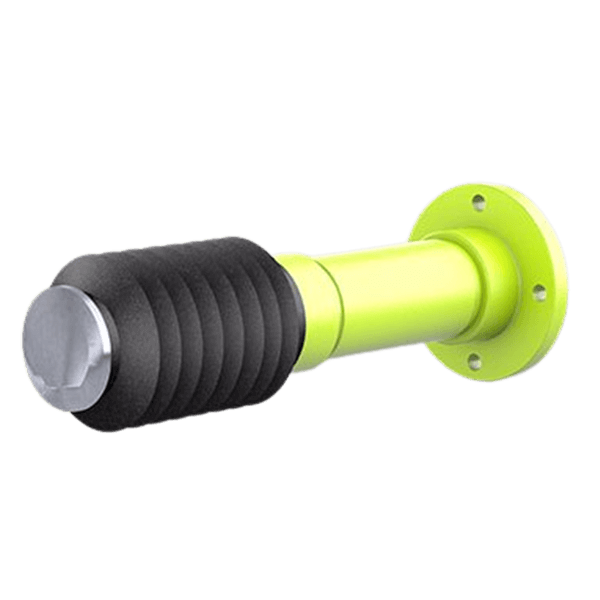
A hydraulic buffer is a mechanical energy absorption device designed to slow down and safely stop moving masses. It works by converting kinetic energy into heat through hydraulic fluid resistance, thereby reducing impact forces and preventing damage to machinery and infrastructure.
Unlike simple rubber bumpers or mechanical stops, a hydraulic buffer provides controlled deceleration. This controlled resistance ensures:
- Reduced shock loads
- Minimized structural stress
- Lower vibration transmission
- Extended equipment lifespan
- Improved workplace safety
In heavy-duty industrial environments, precision stopping and impact absorption are not optional; they are critical.
Why Mechanical Damage Happens in Industrial Systems
Industrial machinery is constantly exposed to high loads, rapid movements, and large moving masses. Without proper buffering systems, problems can arise such as:
- Crane trolley collisions
- Over-travel incidents
- Conveyor end-stop impacts
- Rail wagon overruns
- Gantry and lifting equipment shock loads
- Port and harbour machinery impact damage
When kinetic energy is not properly absorbed, it transfers directly into structural components, leading to:
- Bent rails
- Cracked welds
- Damaged gearboxes
- Bearing failure
- Structural fatigue
- Premature equipment replacement
A properly specified hydraulic buffer eliminates these destructive force spikes.
How a Hydraulic Buffer Prevents Mechanical Damage
Controlled Energy Absorption
Hydraulic buffers absorb energy progressively rather than abruptly. As the piston compresses, hydraulic fluid flows through calibrated orifices, creating resistance. This resistance converts kinetic energy into controlled heat dissipation.
The result? Smooth deceleration instead of violent impact.
Reduction of Peak Force
Peak impact force is the primary cause of mechanical damage. A hydraulic buffer spreads this force over time, reducing maximum stress on machinery components.
This protects:
- End stops
- Mounting brackets
- Structural steel
- Bearings and shafts
- Drive assemblies
Structural Protection
Repeated impact without buffering causes metal fatigue. By eliminating shock loading, a hydraulic buffer dramatically extends the lifespan of:
- Crane beams
- Rail systems
- Dock structures
- Industrial platforms
- Transfer stations
Enhanced Operator and Site Safety
Beyond mechanical protection, hydraulic buffers improve safety. Reduced shock loads mean:
- Lower risk of component failure
- Less unexpected structural movement
- Reduced vibration exposure
- More predictable stopping performance
Industrial Hydraulic Buffers from Dellner Bubenzer
As a leading distributor of Dellner Bubenzer solutions, Huebner Speed Monitoring supplies hydraulic buffers engineered for demanding industrial applications across South Africa.
Dellner Bubenzer hydraulic buffers are widely used in:
- Mining operations
- Ports and harbours
- Rail infrastructure
- Manufacturing plants
- Material handling facilities
- Steel and heavy industry
These systems are designed for high-energy absorption, reliability, and minimal maintenance, even in harsh environments.
Key Features of Dellner Bubenzer Hydraulic Buffers
Exceptional Reliability
Engineered for consistent performance, these hydraulic buffers deliver predictable deceleration under repeated high-load conditions.
Reliability means:
- Fewer breakdowns
- Less downtime
- Lower long-term maintenance costs
High-Quality Materials
Manufactured from durable, corrosion-resistant materials, these buffers withstand:
- Dust and debris
- Extreme temperatures
- High humidity
- Heavy vibration
- Continuous industrial use
This makes them ideal for South Africa’s demanding mining and port environments.
Versatile Applications
A hydraulic buffer must be precisely matched to application parameters such as:
- Moving mass
- Travel speed
- Stroke length
- Mounting configuration
- Environmental conditions
Dellner Bubenzer offers a comprehensive range to suit varied operational needs, from light industrial stops to high-energy crane systems.
Competitive Pricing with Premium Value
While delivering global engineering excellence, Huebner Speed Monitoring ensures competitive pricing in the South African market, offering maximum return on investment through durability and reduced failure risk.
Where Hydraulic Buffers Are Most Critical
Crane Systems
Crane travel and trolley movement create significant kinetic energy. Without a hydraulic buffer, end-stop collisions can severely damage:
- Rail tracks
- Crane structures
- Drive systems
Buffers protect both the crane and its supporting infrastructure.
Port and Harbour Equipment
Ship loaders, stacker reclaimers, and gantry cranes operate in high-load, high-frequency cycles. Hydraulic buffers prevent structural damage during over-travel events.
Rail Applications
Industrial rail systems require precise stopping to avoid wagon or shuttle collisions. Hydraulic buffers absorb energy and prevent derailment-related structural stress.
Mining and Heavy Industry
Large-scale mobile and stationary equipment in mining operations demands robust protection against high-energy impact scenarios.
Why Choose Huebner Speed Monitoring?
Huebner Speed Monitoring is more than a distributor; we are a technical partner.
As a trusted South African supplier of Dellner Bubenzer hydraulic buffers, we offer:
- Expert product selection guidance
- Application-specific recommendations
- High-quality imported solutions
- Industry-proven performance
- Responsive local support
We understand the operational challenges faced by South African industries and deliver solutions built to withstand them.
Selecting the Right Hydraulic Buffer
Choosing the correct hydraulic buffer involves careful evaluation of:
- Maximum impact energy
- Operational frequency
- Stroke length requirements
- Mounting configuration
- Environmental exposure
- Required deceleration profile
Incorrect buffer sizing can lead to:
- Inadequate energy absorption
- Premature wear
- Structural damage
- Reduced safety margins
Our team ensures precise specification to guarantee optimal protection and compliance.
Long-Term Cost Savings of a Hydraulic Buffer
While a hydraulic buffer is often considered a safety accessory, it is truly a cost-saving investment.
By preventing mechanical damage, it reduces:
- Equipment downtime
- Repair costs
- Replacement of structural components
- Insurance risk
- Production losses
Over time, the return on investment is substantial.
FAQs About Hydraulic Buffers
What does a hydraulic buffer do?
A hydraulic buffer absorbs and dissipates kinetic energy from moving machinery, reducing impact forces and preventing mechanical damage.
Where are hydraulic buffers commonly used?
Hydraulic buffers are widely used in cranes, rail systems, mining equipment, port machinery, conveyor systems, and industrial lifting equipment.
How does a hydraulic buffer differ from a rubber bumper?
A rubber bumper absorbs energy instantly and rebounds. A hydraulic buffer provides controlled deceleration, significantly reducing peak impact forces and structural stress.
How do I know which hydraulic buffer I need?
You must consider moving mass, speed, stroke length, impact energy, and operating conditions. Consulting a technical specialist ensures proper sizing and safe performance.
Are hydraulic buffers suitable for harsh environments?
Yes. High-quality solutions like Dellner Bubenzer hydraulic buffers are manufactured using durable materials designed to perform in demanding industrial environments, including mining and port facilities.
How long does a hydraulic buffer last?
Service life depends on usage conditions and maintenance, but premium hydraulic buffers are designed for long operational lifespans with minimal maintenance requirements.
Protect Your Equipment with the Right Hydraulic Buffer
Mechanical damage is not inevitable; it is preventable.
With the right hydraulic buffer in place, you can safeguard your machinery, protect your workforce, and ensure uninterrupted operations.
Partner with Huebner Speed Monitoring for industry-leading Dellner Bubenzer hydraulic buffers designed to perform when it matters most.
Contact us today to discuss your application requirements and secure a solution built for durability, safety, and long-term reliability.