011 482 0088info@dellnerbubenzer.co.za
Click Here to visit
the Global Website of
DELLNER BUBENZER
Single-Banner-001

Using Hydraulic Buffers to Prevent Mechanical Damage

In heavy industrial environments, uncontrolled motion is one of the leading causes of equipment failure. Sudden stops, excessive kinetic energy, and uncontrolled impact forces can damage structures, shorten component life, and create serious safety risks.

This is where a hydraulic buffer becomes essential.

Huebner Speed Monitoring is at the forefront of industrial safety and motion control solutions in South Africa. As a trusted distributor of Dellner Bubenzer hydraulic buffers and accessories, we supply high-performance energy absorption systems designed to prevent mechanical damage, enhance safety, and improve operational longevity.

If your operation involves cranes, conveyors, port machinery, mining equipment, rail systems, or heavy industrial plant, understanding the importance of a hydraulic buffer could save you significant downtime and repair costs.

What Is a Hydraulic Buffer?

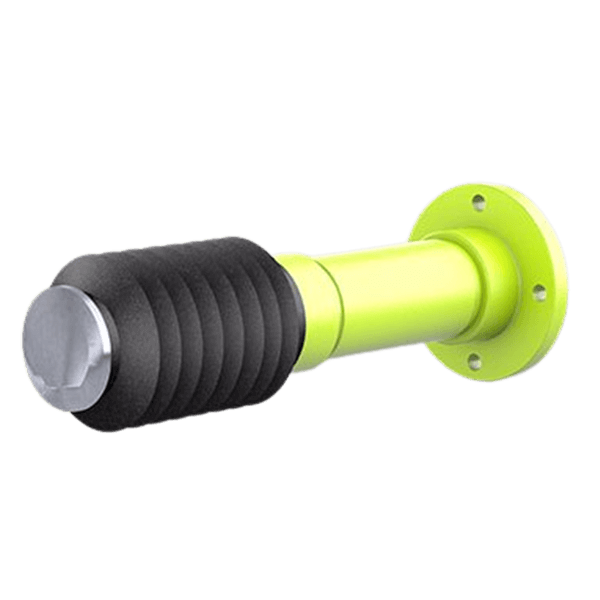
A hydraulic buffer is a mechanical energy absorption device designed to slow down and safely stop moving masses. It works by converting kinetic energy into heat through hydraulic fluid resistance, thereby reducing impact forces and preventing damage to machinery and infrastructure.

Unlike simple rubber bumpers or mechanical stops, a hydraulic buffer provides controlled deceleration. This controlled resistance ensures:

  • Reduced shock loads
  • Minimized structural stress
  • Lower vibration transmission
  • Extended equipment lifespan
  • Improved workplace safety

In heavy-duty industrial environments, precision stopping and impact absorption are not optional; they are critical.

Why Mechanical Damage Happens in Industrial Systems

Industrial machinery is constantly exposed to high loads, rapid movements, and large moving masses. Without proper buffering systems, problems can arise such as:

  • Crane trolley collisions
  • Over-travel incidents
  • Conveyor end-stop impacts
  • Rail wagon overruns
  • Gantry and lifting equipment shock loads
  • Port and harbour machinery impact damage

When kinetic energy is not properly absorbed, it transfers directly into structural components, leading to:

  • Bent rails
  • Cracked welds
  • Damaged gearboxes
  • Bearing failure
  • Structural fatigue
  • Premature equipment replacement

A properly specified hydraulic buffer eliminates these destructive force spikes.

How a Hydraulic Buffer Prevents Mechanical Damage

Controlled Energy Absorption

Hydraulic buffers absorb energy progressively rather than abruptly. As the piston compresses, hydraulic fluid flows through calibrated orifices, creating resistance. This resistance converts kinetic energy into controlled heat dissipation.

The result? Smooth deceleration instead of violent impact.

Reduction of Peak Force

Peak impact force is the primary cause of mechanical damage. A hydraulic buffer spreads this force over time, reducing maximum stress on machinery components.

This protects:

  • End stops
  • Mounting brackets
  • Structural steel
  • Bearings and shafts
  • Drive assemblies

Structural Protection

Repeated impact without buffering causes metal fatigue. By eliminating shock loading, a hydraulic buffer dramatically extends the lifespan of:

  • Crane beams
  • Rail systems
  • Dock structures
  • Industrial platforms
  • Transfer stations

Enhanced Operator and Site Safety

Beyond mechanical protection, hydraulic buffers improve safety. Reduced shock loads mean:

  • Lower risk of component failure
  • Less unexpected structural movement
  • Reduced vibration exposure
  • More predictable stopping performance

Industrial Hydraulic Buffers from Dellner Bubenzer

As a leading distributor of Dellner Bubenzer solutions, Huebner Speed Monitoring supplies hydraulic buffers engineered for demanding industrial applications across South Africa.

Dellner Bubenzer hydraulic buffers are widely used in:

  • Mining operations
  • Ports and harbours
  • Rail infrastructure
  • Manufacturing plants
  • Material handling facilities
  • Steel and heavy industry

These systems are designed for high-energy absorption, reliability, and minimal maintenance, even in harsh environments.

Key Features of Dellner Bubenzer Hydraulic Buffers

Exceptional Reliability

Engineered for consistent performance, these hydraulic buffers deliver predictable deceleration under repeated high-load conditions.

Reliability means:

  • Fewer breakdowns
  • Less downtime
  • Lower long-term maintenance costs

High-Quality Materials

Manufactured from durable, corrosion-resistant materials, these buffers withstand:

  • Dust and debris
  • Extreme temperatures
  • High humidity
  • Heavy vibration
  • Continuous industrial use

This makes them ideal for South Africa’s demanding mining and port environments.

Versatile Applications

A hydraulic buffer must be precisely matched to application parameters such as:

  • Moving mass
  • Travel speed
  • Stroke length
  • Mounting configuration
  • Environmental conditions

Dellner Bubenzer offers a comprehensive range to suit varied operational needs, from light industrial stops to high-energy crane systems.

Competitive Pricing with Premium Value

While delivering global engineering excellence, Huebner Speed Monitoring ensures competitive pricing in the South African market, offering maximum return on investment through durability and reduced failure risk.

Where Hydraulic Buffers Are Most Critical

Crane Systems

Crane travel and trolley movement create significant kinetic energy. Without a hydraulic buffer, end-stop collisions can severely damage:

  • Rail tracks
  • Crane structures
  • Drive systems

Buffers protect both the crane and its supporting infrastructure.

Port and Harbour Equipment

Ship loaders, stacker reclaimers, and gantry cranes operate in high-load, high-frequency cycles. Hydraulic buffers prevent structural damage during over-travel events.

Rail Applications

Industrial rail systems require precise stopping to avoid wagon or shuttle collisions. Hydraulic buffers absorb energy and prevent derailment-related structural stress.

Mining and Heavy Industry

Large-scale mobile and stationary equipment in mining operations demands robust protection against high-energy impact scenarios.

Why Choose Huebner Speed Monitoring?

Huebner Speed Monitoring is more than a distributor; we are a technical partner.

As a trusted South African supplier of Dellner Bubenzer hydraulic buffers, we offer:

  • Expert product selection guidance
  • Application-specific recommendations
  • High-quality imported solutions
  • Industry-proven performance
  • Responsive local support

We understand the operational challenges faced by South African industries and deliver solutions built to withstand them.

Selecting the Right Hydraulic Buffer

Choosing the correct hydraulic buffer involves careful evaluation of:

  • Maximum impact energy
  • Operational frequency
  • Stroke length requirements
  • Mounting configuration
  • Environmental exposure
  • Required deceleration profile

Incorrect buffer sizing can lead to:

  • Inadequate energy absorption
  • Premature wear
  • Structural damage
  • Reduced safety margins

Our team ensures precise specification to guarantee optimal protection and compliance.

Long-Term Cost Savings of a Hydraulic Buffer

While a hydraulic buffer is often considered a safety accessory, it is truly a cost-saving investment.

By preventing mechanical damage, it reduces:

  • Equipment downtime
  • Repair costs
  • Replacement of structural components
  • Insurance risk
  • Production losses

Over time, the return on investment is substantial.

FAQs About Hydraulic Buffers

What does a hydraulic buffer do?

A hydraulic buffer absorbs and dissipates kinetic energy from moving machinery, reducing impact forces and preventing mechanical damage.

Where are hydraulic buffers commonly used?

Hydraulic buffers are widely used in cranes, rail systems, mining equipment, port machinery, conveyor systems, and industrial lifting equipment.

How does a hydraulic buffer differ from a rubber bumper?

A rubber bumper absorbs energy instantly and rebounds. A hydraulic buffer provides controlled deceleration, significantly reducing peak impact forces and structural stress.

How do I know which hydraulic buffer I need?

You must consider moving mass, speed, stroke length, impact energy, and operating conditions. Consulting a technical specialist ensures proper sizing and safe performance.

Are hydraulic buffers suitable for harsh environments?

Yes. High-quality solutions like Dellner Bubenzer hydraulic buffers are manufactured using durable materials designed to perform in demanding industrial environments, including mining and port facilities.

How long does a hydraulic buffer last?

Service life depends on usage conditions and maintenance, but premium hydraulic buffers are designed for long operational lifespans with minimal maintenance requirements.

Protect Your Equipment with the Right Hydraulic Buffer

Mechanical damage is not inevitable; it is preventable.

With the right hydraulic buffer in place, you can safeguard your machinery, protect your workforce, and ensure uninterrupted operations.

Partner with Huebner Speed Monitoring for industry-leading Dellner Bubenzer hydraulic buffers designed to perform when it matters most.

Contact us today to discuss your application requirements and secure a solution built for durability, safety, and long-term reliability.

 

Hydraulic Braking Solutions for High-Load Equipment

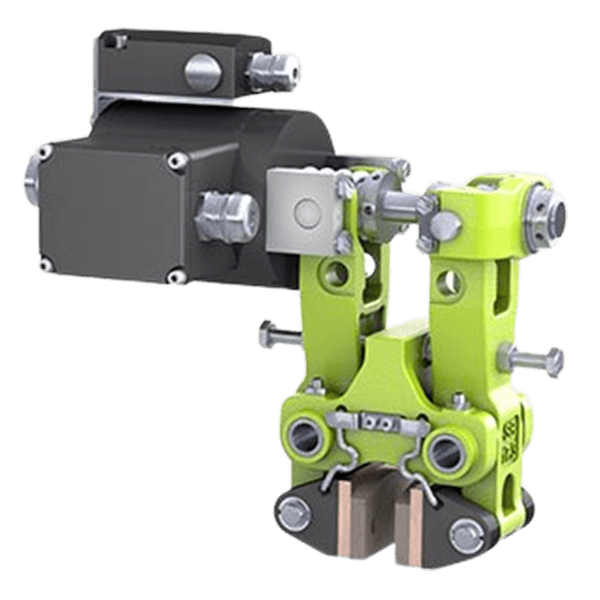
In demanding industrial environments, safety and control are non-negotiable. From mining conveyors and port cranes to heavy-duty processing machinery, high-load equipment requires dependable stopping power that performs under extreme pressure. Industrial hydraulic brakes play a critical role in ensuring operational safety, precision control, and long-term reliability across a wide range of applications.

Huebner Speed Monitoring understands the importance of high-performance braking systems in static and dynamic industrial environments. Hydraulic braking solutions are engineered to provide powerful, responsive, and consistent braking force for heavy-duty equipment operating under intense load conditions.

What Are Industrial Hydraulic Brakes?

Industrial hydraulic brakes are braking systems that use hydraulic pressure to generate and apply stopping force. By converting fluid pressure into mechanical force, these systems deliver reliable and controlled braking performance for machinery that operates under heavy loads or continuous duty cycles.

Unlike mechanical braking systems, industrial hydraulic brakes provide:

  • Higher braking force
  • Smooth and controlled engagement
  • Consistent performance under heavy loads
  • Reduced wear through controlled pressure distribution

These characteristics make industrial hydraulic brakes ideal for environments where safety, uptime, and precision are essential.

Why High-Load Equipment Requires Advanced Hydraulic Braking

Heavy industrial equipment operates in environments where failure is not an option. Hydraulic braking solutions are designed to manage the immense forces generated by:

  • Mining hoists and conveyors
  • Ship loaders and stackers
  • Cranes and lifting systems
  • Wind turbines
  • Steel and processing plants
  • Bulk material handling systems

When machinery carries high inertia loads, stopping systems must absorb and dissipate significant energy safely. Industrial hydraulic brakes are engineered to deliver rapid response times and controlled deceleration, reducing mechanical stress and protecting both equipment and personnel.

Key Benefits of Industrial Hydraulic Brakes

  • High Braking Force: Hydraulic systems generate substantial clamping force through pressurised fluid, making them ideal for high-load applications where strong and reliable stopping power is required.
  • Precise Control: Hydraulic pressure can be carefully regulated, allowing for smooth braking engagement and controlled deceleration. This precision reduces shock loads on machinery components.
  • Enhanced Safety: Industrial hydraulic brakes are often designed with fail-safe mechanisms, ensuring that braking is automatically applied in the event of power loss or system failure.
  • Durability in Harsh Conditions: Industrial environments expose braking systems to dust, moisture, vibration, and extreme temperatures. Hydraulic brake systems are designed with robust materials and protective features to withstand these conditions.
  • Reduced Maintenance: Compared to purely mechanical systems, hydraulic braking solutions offer reduced wear due to even force distribution, contributing to longer service intervals and improved uptime.

Applications of Industrial Hydraulic Brakes

Industrial hydraulic brakes are widely used in heavy-duty industries across South Africa and globally.

  • Mining and Material Handling: In mining operations, conveyor systems and hoisting equipment must operate continuously while handling massive loads. Hydraulic braking systems ensure safe stopping and load control.
  • Ports and Marine Operations: Cranes, winches, and ship-loading equipment require precise braking to manage heavy cargo safely. Hydraulic brakes provide the reliability needed in high-risk environments.
  • Manufacturing and Processing Plants: In steel mills, cement plants, and heavy manufacturing facilities, industrial hydraulic brakes protect rotating equipment and maintain operational stability.
  • Renewable Energy: Wind turbines rely on advanced braking systems to control rotational speed and secure blades during maintenance or extreme weather conditions.

How Industrial Hydraulic Brakes Work

The operation of industrial hydraulic brakes involves:

  • Hydraulic fluid pressurisation via pumps or hydraulic power units
  • Transfer of pressurised fluid to brake actuators
  • Conversion of hydraulic pressure into mechanical clamping force
  • Controlled engagement of brake pads or callipers

When the pressure is released, the braking system disengages smoothly. In fail-safe systems, springs or mechanical mechanisms apply the brake automatically if hydraulic pressure drops.

This controlled energy transfer allows for both dynamic braking (while equipment is moving) and static braking (holding stationary loads).

Design Considerations for High-Load Applications

When selecting industrial hydraulic brakes, several factors must be considered:

  • Load capacity and inertia
  • Environmental conditions (dust, moisture, heat)
  • Duty cycle frequency
  • Required stopping time
  • Integration with monitoring and control systems
  • Compliance with industry safety standards

Huebner Speed Monitoring emphasises solutions that combine braking performance with monitoring systems to enhance safety and predictive maintenance.

The Role of Monitoring in Hydraulic Braking Systems

Modern industrial hydraulic brakes are often integrated with monitoring technologies that track:

  • Brake wear
  • Engagement status
  • Hydraulic pressure levels
  • Temperature
  • Response times

This data allows operators to identify potential issues early, reducing the risk of unexpected downtime and improving overall equipment reliability.

Supporting Safety and Compliance

Industrial operations in South Africa must comply with stringent safety regulations, particularly in sectors such as mining and heavy manufacturing. Reliable braking systems are central to meeting these standards.

Industrial hydraulic brakes contribute to:

  • Worker safety
  • Equipment protection
  • Reduced accident risk
  • Operational compliance
  • Improved reliability audits

By investing in high-quality braking solutions, organisations strengthen both safety culture and operational efficiency.

Why Choose Advanced Hydraulic Braking Solutions?

High-load equipment demands more than standard braking systems. Advanced industrial hydraulic brakes offer:

  • Reliable high-force stopping capability
  • Precision control for heavy machinery
  • Robust design for harsh industrial environments
  • Integration with monitoring systems
  • Long-term durability

Choosing the right braking solution protects assets, improves operational safety, and enhances productivity.

FAQs About Industrial Hydraulic Brakes

What are industrial hydraulic brakes used for?

Industrial hydraulic brakes are used to stop or hold heavy-duty machinery in industries such as mining, manufacturing, ports, and renewable energy.

Why are hydraulic brakes preferred for high-load equipment?

They provide high clamping force, precise control, and reliable performance under heavy loads and demanding operating conditions.

Are industrial hydraulic brakes fail-safe?

Many systems are designed with fail-safe features that automatically apply braking if hydraulic pressure is lost.

How do hydraulic brakes improve safety?

They deliver controlled stopping power, reduce shock loads, and help prevent uncontrolled movement of heavy machinery.

Do hydraulic brake systems require regular maintenance?

Yes. Routine inspections and monitoring ensure consistent performance and extend the lifespan of components.

Can hydraulic brakes integrate with monitoring systems?

Yes. Modern industrial hydraulic brakes can be equipped with monitoring sensors to track wear, pressure, and operational performance.

Contact Huebner Speed Monitoring

In heavy industrial settings, braking systems are not just components; they are critical safety mechanisms. Industrial hydraulic brakes provide the stopping power, control, and durability required to manage high-load equipment safely and efficiently.

From mining conveyors to port cranes and manufacturing plants, hydraulic braking solutions play a vital role in ensuring operational continuity and worker safety. By investing in advanced braking technology and integrated monitoring systems, businesses can achieve higher performance standards while reducing risk.

Huebner Speed Monitoring continues to support industries with reliable, high-performance solutions that meet the rigorous demands of modern industrial environments.

Contact us today to discuss your braking requirements. 


Understanding the Function of Wheel Brakes in Industrial Use

In industrial operations where heavy loads, high torque, and constant motion are the norm, wheel brakes play a vital role in maintaining safety and precision. These braking systems are designed to slow, stop, or hold moving wheels under dynamic or static conditions, making them indispensable in cranes, gantries, hoists, and other mobile equipment.

Huebner Speed Monitoring understands the critical importance of dependable braking technology. As the trusted South African distributor of Dellner Bubenzer industrial brake systems, we provide premium wheel brakes that combine advanced engineering, reliable performance, and exceptional durability.

Through our partnership with Dellner Bubenzer’s German headquarters, we deliver proven, high-performance braking solutions for both static and dynamic industrial applications, ensuring our clients’ operations run safely, efficiently, and cost-effectively.

What Are Industrial Wheel Brakes?

Wheel brakes are mechanical or hydraulic braking systems that act directly on the wheel rim or drum of a moving industrial vehicle or machine. Their primary function is to convert kinetic energy into heat through friction, allowing controlled deceleration or complete stoppage.

Unlike automotive wheel brakes, industrial wheel brakes are designed to withstand much higher loads, longer duty cycles, and more extreme environmental conditions. They are typically used on:

  • Overhead and gantry cranes
  • Industrial transport vehicles
  • Steel mill equipment
  • Port and shipyard cranes
  • Mining machinery
  • Rail-mounted equipment

The result is a system capable of maintaining full braking performance under heavy use while ensuring operational safety and minimal downtime.

How Wheel Brakes Work

The core principle behind wheel brakes is the conversion of motion energy into heat energy through friction. When activated, brake pads or linings are pressed against the wheel’s rotating surface, generating friction that resists motion.

The braking force depends on several key factors:

  • Brake pressure (hydraulic, pneumatic, or mechanical force)
  • Surface material of the wheel and brake pads
  • Wheel diameter and torque requirements
  • Speed and load conditions

Modern Dellner Bubenzer wheel brakes integrate advanced hydraulic and electromechanical actuation systems, offering consistent, adjustable braking force for both dynamic braking (slowing or stopping motion) and static braking (holding a load in position).

The Dellner Bubenzer Advantage

Through our partnership with Dellner Bubenzer Germany, Huebner Speed Monitoring provides industry-leading wheel brakes engineered for durability, precision, and ease of integration.

Key features of Dellner Bubenzer wheel brakes include:

  • High-performance friction materials designed for long service life and stable torque output.
  • Robust mechanical design for demanding industrial environments.
  • Fail-safe operation in the event of power loss, ensuring maximum safety.
  • Low maintenance requirements due to self-lubricating and corrosion-resistant components.
  • Customisable mounting and torque options to suit specific machinery.
  • Integration with advanced control and monitoring systems for real-time brake performance diagnostics.

These brakes are used globally in ports, steel plants, and mining facilities, where uptime, safety, and reliability are paramount.

Applications of Wheel Brakes in Industry

Wheel brakes are critical for the precise control and safety of moving machinery in multiple sectors. Their applications include:

  • Overhead and Gantry Cranes: Wheel brakes control the movement of crane trolleys, ensuring safe load handling, smooth positioning, and secure holding even on inclines or during wind loads.
  • Steel and Heavy Manufacturing: In steel mills and foundries, where heavy-duty machinery operates continuously, wheel brakes provide essential motion control for ladle cars, transfer vehicles, and rolling equipment.
  • Port Handling Equipment: For ship-to-shore cranes and container-handling systems, wheel brakes help maintain stability during cargo transfer, particularly under variable environmental and loading conditions.
  • Mining and Material Transport: In mining operations, wheel brakes help regulate the movement of rail-mounted ore transporters, shuttle cars, and haulage systems where terrain and load variations demand consistent performance.
  • Rail and Locomotive Equipment: Industrial locomotives and track-bound vehicles rely on robust wheel brakes for safe operation, precise stopping, and emergency braking in high-load environments.

Wheel Brakes vs Other Industrial Brake Types

While disc brakes and drum brakes are widely used for stationary or rotational braking, wheel brakes are uniquely designed for mobile equipment. Here’s how they compare:

Brake Type Best For Key Advantage
Disc brakes High-speed, continuous rotation systems Superior heat dissipation and quick response
Drum brakes Static and heavy-duty applications Enclosed protection and high torque capacity
Wheel brakes Mobile or rail-mounted machinery Direct braking on wheels for motion control and holding


Wheel brakes stand out for their ability to balance mobility and load retention, providing dual safety and control in dynamic industrial environments.

The Importance of Reliable Wheel Brakes

Reliable wheel brakes aren’t just about stopping power; they are vital to overall operational safety, performance, and cost-efficiency. A well-engineered braking system helps prevent accidents, reduce wear on drive components, and minimise downtime due to mechanical failure.

Key benefits include:

  • Improved Safety: Ensures precise control of heavy machinery and loads.
  • Reduced Downtime: Long service life and easy maintenance lower operating costs.
  • Enhanced Performance: Smooth, controlled braking improves mechanical efficiency.
  • Energy Efficiency: Modern systems with advanced actuation reduce energy consumption.
  • Compliance: Meets global safety standards, including FEM, DIN, and EN norms.

Why Choose Huebner Speed Monitoring

As a leading distributor of Dellner Bubenzer braking systems in South Africa, Huebner Speed Monitoring offers tailored solutions to meet your specific operational requirements. Our braking expertise covers the full spectrum of dynamic and static braking applications, ensuring optimal functionality, safety, and reliability across industries.

Our comprehensive range includes:

  • Disc brakes
  • Drum and band brakes
  • Wheel and gantry brakes
  • Motor-mounted brakes
  • Dellner Bubenzer BUEL® Range
  • Buffers and accessories
  • Couplings, hubs, discs, and drums
  • Monitoring and control systems

With over 40 years of combined industry experience, we provide technical support, product supply, and after-sales service to help facilities improve safety, performance, and compliance.

FAQs About Wheel Brakes

What are wheel brakes used for in industrial applications?

Wheel brakes are used to control, stop, or hold wheel motion in industrial machinery such as cranes, rail systems, and material transport vehicles.

How do wheel brakes differ from disc or drum brakes?

While disc and drum brakes act on rotating shafts or components, wheel brakes apply friction directly to the wheel itself, ideal for mobile or track-based machinery.

Are Dellner Bubenzer wheel brakes suitable for outdoor environments?

Yes. Dellner Bubenzer designs wheel brakes with corrosion-resistant materials and sealed housings to perform reliably in marine, mining, and industrial outdoor environments.

Can wheel brakes operate in both static and dynamic conditions?

Absolutely. Wheel brakes from Dellner Bubenzer provide controlled deceleration (dynamic) and secure holding (static) capabilities for versatile operation.

How often should wheel brakes be maintained?

Maintenance schedules vary by application, but Dellner Bubenzer wheel brakes are engineered for long service intervals and minimal upkeep, thanks to self-lubricating components.

What industries use wheel brakes most commonly?

They are widely used in steel mills, ports, mining, and crane applications where movement and load handling require precision and safety.

Where can I source genuine Dellner Bubenzer wheel brakes in South Africa?

Huebner Speed Monitoring is the authorised South African distributor for Dellner Bubenzer, supplying premium wheel brakes and related braking solutions.

Enhance Your Industrial Operations with Dellner Bubenzer Wheel Brakes

For industries that demand high-performance braking under extreme conditions, wheel brakes from Huebner Speed Monitoring offer the ideal solution. Combining German engineering excellence with local expertise, we ensure your systems operate safely, efficiently, and reliably.

Contact us today to discuss your industrial braking requirements and discover how our Dellner Bubenzer wheel brake systems can enhance your operation’s performance and safety.

Comparing Drum and Disc Brakes in Industrial Equipment

In heavy-duty industries, braking systems are far more than a safety feature; they are a core component of operational control, reliability, and machine longevity. Whether used in cranes, hoists, conveyors, or wind turbines, industrial brakes ensure safe operation, precise motion control, and effective load management under challenging conditions.

Huebner Speed Monitoring specialises in premium Dellner Bubenzer industrial brake systems, providing high-performance braking solutions across South Africa. Our portfolio includes both drum and disc brakes, engineered for static and dynamic applications, offering optimal functionality, efficiency, and safety in every environment.

What Are Industrial Drum Brakes?

Industrial drum brakes are mechanical or electromechanical systems that use friction to slow down or stop the motion of rotating equipment. They consist of a brake drum that rotates with a wheel or shaft, and brake shoes that press against the drum’s inner surface to create friction and deceleration.

Drum brakes are widely used across industries where consistent braking torque, dust protection, and low maintenance are key priorities. Typical applications include:

  • Overhead and gantry cranes
  • Conveyor systems
  • Steel mills and foundries
  • Hoisting and winching equipment
  • Mining machinery
  • Marine and port handling equipment

Because of their robust design and enclosed structure, industrial drum brakes are ideal for harsh environments where reliability and durability are essential.

The Dellner Bubenzer Advantage

Through our partnership with Dellner Bubenzer Germany, Huebner Speed Monitoring delivers cutting-edge braking systems that combine precision engineering with proven performance. Dellner Bubenzer’s industrial drum brakes are designed for long service life, minimal maintenance, and superior braking force consistency, even under heavy loads.

Key advantages include:

  • High braking torque capacity for demanding industrial operations.
  • Self-lubricating components that reduce wear and maintenance frequency.
  • Corrosion-resistant materials for harsh and outdoor environments.
  • Customisable configurations for specific torque and space requirements.
  • Compliance with international safety standards for critical equipment performance.

These industrial drum brakes are available in both electro-hydraulic and spring-applied designs, catering to applications that require precise control or emergency braking.

Comparing Drum and Disc Brakes in Industrial Equipment

When choosing between industrial drum brakes and disc brakes, understanding the functional and performance differences is key to selecting the right system for your machinery.

Design and Operation

  • Drum Brakes: Use brake shoes pressing against the inside of a drum. The enclosed design protects components from dust, moisture, and contaminants, ideal for rugged environments.
  • Disc Brakes: Use pads pressing against a rotating disc (rotor). They are typically more compact and dissipate heat more efficiently, but are more exposed to environmental wear.

Heat Dissipation

  • Disc Brakes: Generally superior in cooling performance, making them ideal for high-speed or continuous-duty applications.
  • Drum Brakes: Can retain more heat during heavy operation but excel in intermittent braking where sustained heat is less of a concern.

Maintenance Requirements

  • Drum Brakes: Offer enclosed protection, meaning longer component lifespan and reduced contamination from dust and debris. Maintenance intervals are typically longer.
  • Disc Brakes: Require more frequent cleaning and inspection due to exposure, but are easier to service.

Durability in Harsh Environments

  • Drum Brakes: Better suited for harsh and outdoor conditions such as mining, port handling, and steel production, where dust, dirt, and high loads are common.
  • Disc Brakes: Better for cleaner, controlled environments or applications prioritising rapid, repetitive braking cycles.

Cost Efficiency

  • Drum Brakes: Generally offer a lower total cost of ownership due to their rugged construction, simple operation, and reduced maintenance needs.
  • Disc Brakes: Higher initial costs but offer precision control for applications where heat management and modulation are critical.

Application Suitability

Industry/Application Recommended Brake Type
Mining and material handling Drum brakes
Wind energy systems Disc brakes
Steel mills Drum brakes
Port cranes Drum brakes
Elevators and hoists Both
Industrial automation Disc brakes


Both technologies serve specific functions within industrial braking systems; drum brakes excel in rugged, heavy-duty applications, while disc brakes are preferred for high-speed, precision environments.

Why Choose Industrial Drum Brakes

When equipment operates in extreme conditions, exposed to dust, vibration, and heavy loads, industrial drum brakes offer several distinct benefits:

  • High reliability: Proven design with consistent torque output.
  • Reduced downtime: Fewer moving parts and lower maintenance requirements.
  • Extended lifespan: Resistant to corrosion and mechanical fatigue.
  • Safety: Excellent holding capability for static braking.
  • Flexibility: Available in various torque ranges and mounting configurations.

In industries such as mining, steel manufacturing, and materials handling, these advantages translate directly into cost savings, operational safety, and improved uptime.

Huebner Speed Monitoring – Your Partner in Industrial Braking Excellence

We are committed to providing the South African market with reliable, high-performance braking systems engineered by Dellner Bubenzer. Our team delivers tailored braking solutions that integrate seamlessly into your mechanical systems, ensuring operational safety, efficiency, and longevity.

Our product range includes:

  • Industrial drum brakes
  • Disc brakes
  • Wheel and gantry brakes
  • Motor-mounted brakes
  • Dellner Bubenzer BUEL® range
  • Buffers and accessories
  • Couplings, hubs, discs, and drums
  • Monitoring and control systems

With expert support and an extensive range of certified components, we help industrial clients across Africa achieve superior performance and compliance with global standards.

FAQs About Industrial Drum Brakes

What are industrial drum brakes used for?

Industrial drum brakes are used in heavy-duty equipment such as cranes, hoists, conveyors, and mining machinery to provide reliable braking and holding power under demanding conditions.

How do industrial drum brakes differ from disc brakes?

Drum brakes use internal shoes pressing against a rotating drum, while disc brakes use external pads pressing against a disc. Drum brakes are more enclosed, making them ideal for harsh environments.

Are drum brakes suitable for dynamic braking applications?

Yes. Modern industrial drum brakes from Dellner Bubenzer are designed for both static and dynamic applications, offering smooth performance and high braking torque.

What maintenance do drum brakes require?

They require minimal maintenance due to their enclosed design. Regular inspection of linings and hydraulic components ensures consistent performance.

Can drum brakes be customised for specific machinery?

Absolutely. Huebner Speed Monitoring can supply customised drum brake systems tailored to torque capacity, size constraints, and operating conditions.

What makes Dellner Bubenzer drum brakes unique?

Their advanced engineering, corrosion-resistant construction, and electro-hydraulic control systems make them among the most reliable and efficient brakes on the global market.

Where can I source industrial drum brakes in South Africa?

You can source genuine Dellner Bubenzer industrial drum brakes directly from Huebner Speed Monitoring, South Africa’s authorised distributor and service provider.

Enhance Your Industrial Safety and Efficiency with Huebner Speed Monitoring

Whether you need industrial drum brakes for a heavy lifting operation or precision disc brakes for automated equipment, Huebner Speed Monitoring provides trusted, German-engineered solutions backed by local expertise.

Contact us today to discuss your braking requirements and experience the reliability and performance of Dellner Bubenzer’s world-class systems.

Choosing the Right Braking System for Your Industrial Needs

In any industrial environment, safety and performance go hand in hand. Whether you’re working with cranes, conveyors, wind turbines, or heavy-duty processing machinery, one component plays a crucial role in operational control and accident prevention: the braking system. Selecting the right industrial braking systems is not just a matter of performance; it’s a matter of protecting equipment, people, and productivity.

Huebner Speed Monitoring is a trusted South African distributor of Dellner Bubenzer industrial braking systems, renowned for their precision, reliability, and advanced engineering. Designed for both static and dynamic applications, Dellner Bubenzer’s braking solutions have become the global benchmark for safety and performance in industrial operations.

This article explores how to choose the right braking system for your application, the types available, and why investing in a high-quality braking system is essential to long-term efficiency and safety.

Understanding Industrial Braking Systems

Industrial braking systems are specialised mechanical and hydraulic devices that control, stop, or hold the movement of machinery. They function as safety and performance mechanisms, ensuring that machinery can slow down or stop when required, whether it’s to prevent overload, maintain position, or bring moving parts to a controlled halt.

Unlike automotive brakes, industrial braking systems are engineered for extreme loads, high speeds, and continuous operation. They are designed to endure high mechanical stress, variable temperatures, and challenging environmental conditions such as dust, moisture, and vibration.

Key functions of industrial brakes include:

  • Stopping Power: Bringing moving equipment to a controlled stop.
  • Holding Power: Maintaining a stationary position, especially on inclined or vertical applications.
  • Control and Safety: Managing speed, preventing overshoot, and ensuring safe deceleration.

Types of Industrial Braking Systems

Choosing the right brake system depends on the nature of your operation, whether you need to stop, hold, or control motion. These are the most common types of industrial braking systems, each suited for specific applications.

Hydraulic Brakes

Hydraulic brakes use pressurised fluid to apply force, making them ideal for heavy-duty and high-torque machinery.

Applications: Cranes, steel mills, winches, and conveyors.

Benefits:

  • Smooth and precise braking control
  • High braking torque
  • Excellent reliability under continuous use

Electromagnetic Brakes

These brakes use electromagnetic fields to engage and release braking force quickly and efficiently.

Applications: Wind turbines, hoists, and electric motors.

Benefits:

  • Fast response time
  • Low maintenance requirements
  • Ideal for automation and remote operation

Disc Brakes

Disc brakes use pads to clamp onto a rotating disc, providing stable braking under variable load conditions.

Applications: Port cranes, wind energy systems, and steel processing lines.

Benefits:

  • High thermal capacity and energy absorption
  • Consistent performance in harsh environments
  • Easy replacement and maintenance

Drum Brakes

Drum brakes use friction between internal shoes and a rotating drum to generate braking force.

Applications: Industrial conveyors, elevators, and older heavy machinery.

Benefits:

  • High torque capacity
  • Durable and long-lasting under static loads
  • Suitable for emergency and holding brakes

Fail-Safe Brakes

These brakes automatically engage in the event of power or hydraulic failure, ensuring safety even during system outages.

Applications: Mining hoists, cranes, elevators, and offshore equipment.

Benefits:

  • Provides automatic emergency braking
  • Essential for high-risk environments
  • Increases operator and asset safety

Static vs Dynamic Applications

When selecting industrial braking systems, understanding the difference between static and dynamic applications is essential.

  • Static Braking: Used to hold a load in position when machinery is at rest, such as maintaining the position of a suspended load on a crane.
  • Dynamic Braking: Used to control or stop motion during operation, such as slowing down a rotating shaft or a conveyor belt.

Dellner Bubenzer braking systems, distributed by Huebner Speed Monitoring, are engineered for both static and dynamic environments. Their systems are designed to handle intense stopping forces while ensuring precise holding capability, providing a dual layer of safety and performance across various industries.

Factors to Consider When Choosing Industrial Braking Systems

Selecting the right brake system depends on your specific operational demands, safety requirements, and environmental conditions. Here are key factors to evaluate:

  • Load and Torque Requirements: Understand the weight, speed, and inertia of your machinery. Heavier loads require high-torque braking systems capable of absorbing significant kinetic energy.
  • Application Type: Determine whether your equipment needs stopping, holding, or controlling motion, or a combination of all three.
  • Environmental Conditions: Consider factors such as humidity, dust, temperature, and vibration. For example, marine or mining operations require corrosion-resistant, sealed systems for durability.
  • Power Source Availability: Hydraulic, pneumatic, and electric braking systems each have unique power requirements. Choose one compatible with your site infrastructure.
  • Maintenance and Reliability: Industrial environments demand low-maintenance and long-life braking solutions. Look for brands like Dellner Bubenzer that emphasise robust design, easy inspection, and component longevity.
  • Safety and Compliance: Always select braking systems that comply with relevant safety standards and local regulations. Certified systems ensure reliability and protect against liability.

The Dellner Bubenzer Advantage

Dellner Bubenzer is a global leader in the design and manufacture of high-performance industrial braking systems, trusted across industries such as:

  • Mining and material handling
  • Port and shipyard operations
  • Wind energy and hydropower
  • Steel mills and foundries
  • Construction and hoisting applications

Their products combine precision engineering with advanced materials and innovative technology to deliver:

  • Superior braking performance under extreme conditions
  • High thermal resistance and energy absorption
  • Compact, modular designs for space efficiency
  • Low maintenance and long service life
  • Custom solutions tailored to unique applications

As the exclusive South African distributor, Huebner Speed Monitoring supplies and supports Dellner Bubenzer’s full range of braking products, ensuring local access to world-class technology backed by expert service and technical support.

Why Partner With Huebner Speed Monitoring?

When it comes to industrial safety and motion control, precision matters. Huebner Speed Monitoring is dedicated to providing high-quality braking systems that combine reliability, safety, and innovation.

Our clients benefit from:

  • Access to premium Dellner Bubenzer products
  • Local technical expertise and support
  • Customised braking solutions for unique applications
  • Compliance with global safety standards
  • After-sales maintenance and component supply

We don’t just supply brakes; we ensure that your entire system performs with precision, efficiency, and reliability.

The Importance of Regular Maintenance

Even the most advanced industrial braking systems require regular inspection and maintenance to ensure optimal performance. Routine servicing helps:

  • Prevent unexpected downtime or equipment failure.
  • Extend component life and maintain efficiency.
  • Verify alignment, pressure, and wear levels.
  • Ensure compliance with safety standards.

Huebner Speed Monitoring offers comprehensive maintenance support, helping clients schedule inspections, replace worn parts, and optimise system performance, ensuring maximum uptime and safety.

FAQs About Industrial Braking Systems

What are industrial braking systems used for?

Industrial braking systems are designed to stop, hold, or control motion in heavy-duty machinery used in industries such as mining, steel production, ports, and renewable energy.

What is the difference between static and dynamic braking?

Static braking holds equipment stationary when not in use, while dynamic braking slows or stops moving machinery during operation.

How do I choose the right braking system for my equipment?

Consider load requirements, environment, application type, and safety standards. Huebner Speed Monitoring can help you select a customised Dellner Bubenzer system to meet your specific needs.

Why choose Dellner Bubenzer braking systems?

Dellner Bubenzer brakes are globally recognised for their durability, precision, and safety, offering advanced designs that perform in even the harshest industrial environments.

How often should industrial braking systems be serviced?

Service intervals vary depending on usage and environmental conditions, but routine inspection and maintenance are recommended at least twice a year to ensure reliability and compliance.

Contact Us For Details

Contact Huebner Speed Monitoring today for expert advice and reliable braking solutions.

As South Africa’s leading distributor of Dellner Bubenzer industrial braking systems, we’ll help you find the perfect solution to keep your operations safe, efficient, and unstoppable.


Top Advantages of Industrial Hydraulic Brakes

In heavy-duty industries such as mining, manufacturing, marine, and material handling, safety and precision are paramount. Machines and equipment operating under extreme loads require braking systems that deliver consistent performance and absolute reliability. That’s where industrial hydraulic brakes come into play.

Huebner Speed Monitoring is a trusted South African distributor of premium Dellner Bubenzer industrial brake systems, built for both static and dynamic applications. These systems are engineered to meet the toughest demands, offering unmatched performance and durability in challenging environments.

What Are Industrial Hydraulic Brakes?

Industrial hydraulic brakes use pressurised hydraulic fluid to generate the force required to stop or hold heavy machinery. Unlike traditional mechanical brakes, hydraulic brakes deliver smoother and more controlled stopping power, making them ideal for equipment operating under heavy loads or in environments where precision and safety cannot be compromised.

Applications include:

  • Mining hoists and conveyors
  • Cranes and lifting equipment
  • Steel and paper mills
  • Marine winches and port equipment
  • Wind turbines and power generation

Top Advantages of Industrial Hydraulic Brakes

  • Superior Stopping Power: One of the primary benefits of industrial hydraulic brakes is their ability to generate significant braking force. The pressurised fluid creates consistent, high-force output, ensuring reliable stopping even in extreme load conditions.
  • Smooth and Controlled Operation: Hydraulic brakes offer smooth braking action with precise control. This reduces shock and wear on both the braking system and the equipment, enhancing the safety and longevity of critical assets.
  • High Reliability in Harsh Environments: From dust-heavy mines to humid marine docks, industrial hydraulic brakes are designed to withstand the most demanding operating conditions. Their sealed hydraulic systems protect against contaminants, ensuring consistent performance.
  • Low Maintenance Requirements: Compared to mechanical braking systems, hydraulic brakes have fewer moving parts and reduced wear, leading to lower maintenance costs and less downtime. This makes them a cost-effective choice for industries that cannot afford delays.
  • Enhanced Safety Features: Hydraulic braking systems are designed with safety at the forefront. They can be configured with fail-safe functionality, meaning brakes are applied automatically if hydraulic pressure is lost, protecting workers and equipment.
  • Versatility Across Applications: Industrial hydraulic brakes can be adapted for both static applications (holding loads in place) and dynamic applications (slowing or stopping moving loads). This versatility makes them a practical choice for a wide range of industries.
  • Long Service Life: With robust construction and precision engineering, hydraulic brakes from manufacturers like Dellner Bubenzer deliver years of dependable service, even in the most demanding industrial settings.

Why Choose Dellner Bubenzer Hydraulic Brakes?

As global leaders in braking systems, Dellner Bubenzer combines cutting-edge engineering with rigorous quality standards. These industrial hydraulic brakes are trusted worldwide for:

  • German-engineered precision
  • Durability and reliability in harsh conditions
  • Innovative safety features
  • Compliance with international standards

Through Huebner Speed Monitoring, South African industries have access to this world-class technology with local expertise and support.

Industrial Applications in South Africa

  • Mining Industry: Hoists, conveyors, and draglines require reliable braking systems to ensure safe and efficient operations. Hydraulic brakes are ideal for these heavy-duty applications.
  • Steel and Paper Mills: Industrial processes in these facilities rely on consistent braking to protect machinery and operators during production cycles.
  • Marine and Ports: Winches, cranes, and offshore equipment benefit from hydraulic brakes that perform reliably in wet, corrosive environments.
  • Renewable Energy: Wind turbines use hydraulic braking systems to safely control rotor speeds, protecting both equipment and operators.

Huebner Speed Monitoring: Your Trusted Partner

We don’t just supply braking systems; we provide solutions. As the South African distributor for Dellner Bubenzer industrial hydraulic brakes, we offer:

  • Premium quality products designed for safety and efficiency.
  • Technical expertise to guide you in selecting the right brake system.
  • Local support and service to keep your operations running smoothly.

FAQs About Industrial Hydraulic Brakes

What are industrial hydraulic brakes used for?

They are used to stop, slow, or hold heavy machinery in industries such as mining, steel, marine, and power generation.

How do hydraulic brakes differ from mechanical brakes?

Hydraulic brakes use fluid pressure to generate force, offering smoother operation, higher braking power, and less maintenance compared to mechanical brakes.

Are hydraulic brakes suitable for both static and dynamic applications?

Yes. They can be designed for holding loads in place (static) or slowing/stopping moving equipment (dynamic).

What makes Dellner Bubenzer hydraulic brakes stand out?

They are globally recognised for precision engineering, robust construction, and innovative safety features that meet international standards.

How often do industrial hydraulic brakes require maintenance?

They require less frequent maintenance than mechanical systems, though routine inspections are recommended to ensure long-term performance.

Can hydraulic brakes be used in corrosive environments like ports or marine applications?

Yes. They are designed to withstand harsh conditions, including humidity, dust, and salt exposure.

Contact Huebner Speed Monitoring for Details

In industries where performance, safety, and reliability are critical, industrial hydraulic brakes are an essential solution. Offering powerful stopping capability, smooth operation, low maintenance, and long service life, they are trusted across sectors worldwide.

We proudly supply South African industries with premium Dellner Bubenzer industrial hydraulic brakes, combining world-class engineering with local support.

For safety you can depend on and performance that lasts, trust Huebner Speed Monitoring as your partner in industrial braking solutions.

Contact Huebner Speed Monitoring today for more information.


Why Motor-Mounted Brakes Are Crucial in Industrial Machines

Reliable braking systems are not just beneficial; they’re essential. One of the most critical types of brakes in modern mechanical engineering is the motor-mounted brakes, which ensures safe, controlled, and efficient operation of industrial equipment.

As a trusted South African distributor of Dellner Bubenzer brake systems, Huebner Speed Monitoring provides high-performance braking solutions tailored for both static and dynamic applications across sectors such as mining, manufacturing, energy, construction, and logistics.

This article explores the significance of motor-mounted brakes, their functionality, applications, and why choosing high-quality systems like Dellner Bubenzer is vital for businesses prioritising safety, uptime, and productivity.

What Are Motor-Mounted Brakes?

Motor-mounted brakes are braking systems installed directly onto the motor shaft or housing. These brakes are typically electromagnetic or spring-applied and function by halting the motor’s rotation when power is cut off or when braking is required during operation.

They are commonly used in:

  • Hoists and cranes
  • Conveyors
  • Elevators
  • Winches and winders
  • Automated manufacturing equipment
  • Pumps and fans
  • Material handling systems

How Do Motor-Mounted Brakes Work?

The most common types of motor-mounted brakes include:

Spring-Applied Brakes (Fail-Safe Brakes)

These brakes engage automatically when power is lost, using spring force to apply the brake and halt movement. They are released only when electrical power energises a coil, compressing the spring.

Advantages:

  • Fail-safe operation during power loss
  • Ideal for emergency stopping
  • High holding torque

Electromagnetic Brakes

Electromagnetic brakes use a magnetic field generated by an electric current to engage or release the brake pad. These systems are more suitable for dynamic braking applications and precise control.

Advantages:

  • Smooth, quiet operation
  • Excellent for frequent stop/start cycles
  • Fast response times

Why Motor-Mounted Brakes Are Crucial in Industrial Applications

  • Enhanced Safety: Safety is paramount in industrial settings. Motor-mounted brakes provide immediate response in emergencies, preventing accidents due to uncontrolled machinery movement. In applications like cranes, elevators, and lifts, these brakes serve as a critical safety component to protect workers and equipment.
  • Precision and Control: Industrial processes often require precise positioning. Motor-mounted brakes allow for exact stopping and holding positions, essential in automated production lines, CNC machines, and robotics.
  • Space-Saving Design: Because motor-mounted brakes are integrated with the motor, they require less installation space compared to external braking systems. This is particularly beneficial in compact machinery where space constraints are a concern.
  • Energy Efficiency: By reducing the need for continuous motor operation and controlling the stopping mechanism more efficiently, motor-mounted brakes help save energy and reduce wear and tear on the entire system.
  • Reduced Downtime: When quality motor-mounted brakes, such as those from Dellner Bubenzer, are used, they significantly improve machine reliability. Fewer breakdowns mean less downtime and more productivity.

Huebner Speed Monitoring and Dellner Bubenzer: A Partnership Built on Precision

As the official South African distributor of Dellner Bubenzer industrial brake systems, Huebner Speed Monitoring provides solutions that meet the strictest safety, quality, and performance standards in the industry.

About Dellner Bubenzer

Dellner Bubenzer is globally recognised for manufacturing premium brake systems for industrial machinery, port handling equipment, mining gear, and wind turbines. Their motor-mounted brakes are engineered for durability, precision, and adaptability.

Huebner Speed Monitoring’s Local Expertise

Huebner Speed Monitoring delivers:

  • Technical consultations for optimal brake selection
  • Full installation and commissioning support
  • Maintenance and troubleshooting
  • Custom solutions for unique operational challenges

Key Applications of Motor-Mounted Brakes

  • Cranes and Hoists: Brakes provide safe stopping and holding capabilities for loads being lifted or lowered. Fail-safe braking is especially important in preventing load drops during power outages.
  • Conveyor Systems: Motor-mounted brakes can be used to control material flow, stopping or slowing belts precisely at desired points.
  • Machining Tools: Automated tools and CNC machinery use motor-mounted brakes for fine control and protection of components during rapid operation.
  • Heavy-Duty Vehicles and Winches: Industrial vehicles, winches, and mobile machinery benefit from compact brake systems that deliver high torque within limited spaces.
  • Energy Sector Equipment: Wind turbines, hydroelectric systems, and other energy infrastructure rely on brake systems for operational control, emergency stop, and maintenance locking.

Advantages of Using Dellner Bubenzer Motor-Mounted Brakes from Huebner

Feature Benefit
Robust build Long-lasting durability under extreme conditions
High torque options Reliable stopping power for heavy-duty applications
Fail-safe mechanisms Automatic braking during a power failure for safety
Compact, integrated design Saves space and simplifies system architecture
Versatile mounting configurations Suitable for horizontal and vertical installations
Low maintenance Reduced total cost of ownership
Global reputation Trusted by industry leaders in mining, ports, energy, and manufacturing


Maintenance Tips for Motor-Mounted Brakes

  • Schedule Regular Inspections: Check for wear on brake pads, coil condition, and mechanical alignment.
  • Monitor Performance: Note any unusual noises, vibrations, or delayed responses.
  • Ensure a Clean Environment: Dust, oil, and moisture can affect brake performance. Keep the area clean and dry.
  • Replace Worn Components Promptly: Delayed replacement can result in machine damage or operator injury.
  • Work with Experts: Partner with professionals like Huebner Speed Monitoring for installation, servicing, and upgrades.

FAQs About Motor-Mounted Brakes

What industries use motor-mounted brakes?

They are widely used in mining, manufacturing, material handling, energy, construction, and logistics sectors.

What is the difference between motor-mounted brakes and external brakes?

Motor-mounted brakes are directly attached to the motor, saving space and providing immediate stopping action, while external brakes are mounted on shafts or elsewhere in the system.

Are motor-mounted brakes suitable for both horizontal and vertical applications?

Yes. Dellner Bubenzer designs brakes that are suitable for a range of orientations and load types.

How often should motor-mounted brakes be serviced?

Regular maintenance should be performed every 6 to 12 months, depending on usage and environment. Huebner Speed Monitoring provides scheduled servicing options.

Can I retrofit motor-mounted brakes onto existing equipment?

Yes. Huebner Speed Monitoring offers solutions tailored to new installations and retrofitting needs.

Do motor-mounted brakes work during power outages?

Fail-safe spring-applied brakes automatically engage when power is lost, providing critical protection during outages.

Invest in Safety, Reliability, and Performance

When it comes to industrial machinery, motor-mounted brakes play an irreplaceable role in ensuring operational efficiency and safety. They’re compact, powerful, and intelligent, ideal for a broad range of applications. With a high-quality solution from Dellner Bubenzer, expertly distributed and supported by Huebner Speed Monitoring, you can expect brakes that perform under pressure, day in and day out.

Contact Huebner Speed Monitoring today to explore our full range of motor-mounted brake systems and elevate the performance and safety of your industrial operations.

Top Uses for Heavy-Duty Wheel Brakes in Manufacturing

Wheel brakes play a crucial role in industrial operations, especially in manufacturing settings that demand high safety standards, precise motion control, and reliability in dynamic environments.

From conveyor systems to automated gantry cranes, heavy-duty wheel brakes ensure operational stability and safety, often serving as essential components in the movement, stopping, and holding of heavy equipment and machinery.

Huebner Speed Monitoring is proud to be a trusted distributor of Dellner Bubenzer industrial brake systems in South Africa. Known for their high-quality engineering, these brake systems are designed to perform under the most demanding static and dynamic conditions.

Among the many options available, disc brakes, drum brakes, band brakes, buffers, and more, wheel brakes stand out as critical components in a wide range of manufacturing applications.

What Are Wheel Brakes?

Wheel brakes are mechanical systems installed on the wheels of industrial equipment to control, stop, or hold motion. Unlike standard automotive brakes, industrial wheel brakes are designed to handle significantly heavier loads, operate under extreme temperatures, and perform consistently over long duty cycles.

They are typically found in:

  • Gantry cranes
  • Rail-mounted vehicles
  • Transfer carts
  • Mining transport systems
  • Heavy machinery and mobile industrial platforms

Top Uses for Wheel Brakes in Manufacturing

Crane Systems and Gantry Operations

Heavy-duty gantry cranes used in shipyards, steel plants, and manufacturing warehouses rely on wheel brakes for controlled movement and emergency stops. The brakes ensure that cranes can:

  • Halt quickly under load
  • Maintain position during lifting
  • Prevent rolling in power outages

Automated Guided Vehicles (AGVs)

In smart factories, AGVs transport raw materials and components between stations. Wheel brakes are integral in:

  • Accurate docking
  • Load transfer precision
  • Safety during navigation in shared human-machine environments

Transfer Carts and Rail Systems

Material transfer carts, especially those operating on rails, require robust braking systems. Wheel brakes provide:

  • Secure stopping on inclines
  • Controlled deceleration
  • Load stability during transitions

Mobile Platforms and Heavy Equipment

Wheel brakes enable precise positioning and immobilisation of mobile platforms, such as:

  • Mobile cranes
  • Telescopic handlers
  • Assembly platforms in large-scale fabrication

Emergency Braking Systems

Manufacturing environments often incorporate wheel brakesinto emergency systems to ensure safety compliance. These brakes:

  • Act as fail-safes in high-speed applications
  • Prevent unintended motion
  • Work in tandem with control systems for automation shutdowns

Benefits of Using High-Quality Wheel Brakes

  • Enhanced Safety: Heavy-duty wheel brakes prevent accidents by ensuring controlled stops and maintaining holding capacities in the event of system failure or power outage.
  • Longevity and Low Maintenance: Dellner Bubenzer’s wheel brakes are engineered for long operational life and reduced maintenance, thanks to robust materials and advanced manufacturing processes.
  • Smooth Operation: With precision braking torque and minimal backlash, wheel brakes contribute to smooth transitions and high-accuracy positioning.
  • Compatibility with Control Systems: Modern wheel brake systems integrate seamlessly with smart monitoring and PLC-based automation, allowing real-time diagnostics and remote control.

Why Choose Huebner Speed Monitoring?

Huebner Speed Monitoring is South Africa’s trusted distributor for Dellner Bubenzer industrial brakes, including advanced wheel brake systems. We deliver engineered braking solutions tailored to your industrial needs, whether it’s in mining, steel production, marine applications, or rail-mounted machinery.

We offer:

  • Industry-leading static and dynamic braking solutions
  • Local support and technical expertise
  • Customisable systems for unique applications
  • Access to a wide range of products: disc brakes, wheel brakes, couplings, monitoring systems, and more

FAQs about Wheel Brakes

What are wheel brakes used for in industrial settings?

Wheel brakes are used to stop, hold, or control the motion of heavy machinery and mobile platforms in manufacturing environments. They’re essential for equipment like gantry cranes, transfer carts, and automated vehicles.

How do wheel brakes differ from disc brakes?

Wheel brakes act directly on a moving wheel or rail component, while disc brakes use callipers to clamp onto a spinning disc. Wheel brakes are especially useful for mobile or rail-mounted applications.

Are wheel brakes suitable for automated manufacturing environments?

Yes. Many wheel brake systems can be integrated with smart factory automation and safety systems, enabling real-time monitoring and precise control.

Can wheel brakes operate in harsh environments?

Dellner Bubenzer’s wheel brakes are designed to withstand extreme temperatures, dust, moisture, and mechanical wear, making them ideal for use in the mining and heavy industry sectors.

Does Huebner Speed Monitoring provide support and installation services?

Absolutely. We provide full support, including consultation, installation, and after-sales service, to ensure your wheel brakes operate efficiently and safely.

Ready to enhance your braking systems with high-performance wheel brakes?

Contact Huebner Speed Monitoring for expert advice and access to the full Dellner Bubenzer product range. We’ll help you find the best solution for your manufacturing needs.

What Makes Industrial Drum Brakes Reliable in Heavy Industries

In heavy industries, such as mining, steel production, construction, port operations, and material handling, reliable braking is not optional; it’s essential. Systems operate under extreme pressure, and any failure can result in catastrophic consequences, including equipment damage, production downtime, or injury. This is where industrial drum brakes come into play, offering powerful, consistent performance in the most demanding conditions.

At Huebner Speed Monitoring, we are proud to be a trusted South African distributor of Dellner Bubenzer industrial brake systems, renowned for their engineering excellence, safety, and long-term dependability. Whether your application requires static or dynamic braking, our industrial drum brakes are built to perform and protect.

What Are Industrial Drum Brakes?

Industrial drum brakes are braking systems commonly used in high-load and high-speed environments where traditional vehicle-style brakes would be insufficient. These brakes use friction generated by brake shoes pressing outward against a rotating drum to slow or stop motion.

They are widely utilised in:

  • Hoists and cranes
  • Conveyors and elevators
  • Winches and trolleys
  • Industrial drives and rotary equipment
  • Steel mills and mining machinery
  • Wind turbines and port equipment

Why Industrial Drum Brakes Are Reliable in Heavy Industries

  • Engineered for Heavy-Duty Loads: Industrial drum brakes are designed to withstand high torque and load capacities. In sectors like mining or steel production, where loads are massive and consistent braking is critical, Dellner Bubenzer drum brakes provide superior stopping power and control.
  • Effective in Static and Dynamic Applications: From holding loads in place (static) to slowing down rotating machinery (dynamic), industrial drum brakes offer flexible application. They are ideal for use in emergency stop systems or continuous speed regulation, functions that are essential in environments with rapidly rotating or suspended loads.
  • Durability and Low Maintenance: Industrial environments are often dirty, hot, and corrosive. Dellner Bubenzer drum brakes are built from high-strength materials like cast iron and steel, with corrosion-resistant finishes. Components such as linings and springs are built to withstand thermal expansion and wear, reducing maintenance intervals and downtime.
  • Customisable for Specific Use Cases: Different industries require different specifications, and that’s where customisation becomes vital. Huebner Speed Monitoring collaborates with clients to deliver brakes that meet their operational requirements, including torque ratings, drum sizes, fail-safe options, and auxiliary systems such as hydraulic or electrohydraulic actuation.
  • Fail-Safe Braking Options: In high-risk environments, fail-safe brakes are essential. Many Dellner Bubenzer drum brakes are spring-actuated and hydraulically released, which means they engage automatically during a power failure, ensuring safety in critical situations.
  • Performance in Extreme Temperatures: From freezing wind farms to blistering furnace lines, Dellner Bubenzer industrial drum brakes maintain functionality in extreme hot or cold conditions. Their materials and design reduce thermal fatigue and warping under rapid temperature fluctuations.

Dellner Bubenzer: A Benchmark in Industrial Braking

As a global leader in braking systems, Dellner Bubenzer is known for producing high-quality, precision-engineered industrial drum brakes that exceed industry standards. When paired with Huebner Speed Monitoring’s expert support, South African industries get world-class components and local service they can trust.

Key product attributes include:

  • Spring-applied, hydraulic or electrohydraulic release
  • Torque ratings suited for large machinery
  • High-performance brake linings
  • Optional wear indicators and monitoring systems
  • Minimal maintenance designs for high uptime
  • SABS and international certifications

The Role of Huebner Speed Monitoring

We offer:

  • Technical consultations and specification matching
  • On-site installation guidance
  • Brake commissioning support
  • Condition monitoring systems
  • Long-term maintenance solutions

We understand the risks and performance expectations of South African heavy industries and pride ourselves on delivering tailored braking systems that improve safety and productivity.

Real-World Applications of Industrial Drum Brakes

  • Port cranes and lifting equipment: High-torque brakes help safely manage vertical and lateral loads under varying wind and weather conditions.
  • Mining equipment: Conveyors and lifting winches require strong, responsive braking to avoid material spills or mechanical failure.
  • Steel and foundry operations: Heat-resistant brakes ensure equipment control around furnaces and high-temperature environments.
  • Wind energy: Brakes help slow down and stop rotor blades in wind turbines, especially during storms or maintenance.
  • Construction hoists and elevators: In urban development and infrastructure projects, drum brakes hold materials and equipment safely at elevation.

FAQs About Industrial Drum Brakes

What is the difference between static and dynamic drum brakes?

Static brakes hold equipment in place (like when machinery is stopped), while dynamic brakes slow down or stop rotating parts. Some brakes are designed to perform both functions.

How often should industrial drum brakes be maintained?

Maintenance schedules vary based on application, but Dellner Bubenzer brakes are designed for low-maintenance, high-reliability use. Visual inspections and occasional part replacements (like linings) are typically sufficient.

Can I retrofit drum brakes onto existing equipment?

Yes. Huebner Speed Monitoring provides retrofit solutions and will assist with evaluating compatibility, adapting mounts, and selecting correct torque ratings.

Are industrial drum brakes noisy?

Quality drum brakes like those from Dellner Bubenzer are engineered for smooth and quiet operation, but improper installation or worn linings can cause noise.

Do these brakes comply with South African safety standards?

Absolutely. All Dellner Bubenzer brakes distributed by Huebner Speed Monitoring meet local and international standards, including SABS and ISO regulations.

What kind of support do you offer after installation?

Huebner Speed Monitoring provides ongoing technical support, maintenance services, and real-time monitoring solutions to ensure long-term reliability.

Trusted Braking Solutions for Demanding Environments

When reliability, safety, and precision matter most, you need a braking system that can deliver under pressure. Huebner Speed Monitoring, in partnership with Dellner Bubenzer, supplies industrial drum brakes built to last and backed by world-class support.

Contact us today to discuss your braking needs or to request a quote.


How Industrial Braking Systems Enhance Machinery Safety

In heavy industry, where towering cranes, conveyors, wind turbines, and mining equipment operate under high stress, the ability to safely stop, hold, or control movement is critical. That’s where industrial braking systems play a vital role. Often overshadowed by more visible components, brakes are the unseen force ensuring operational safety, system integrity, and worker protection.

Huebner Speed Monitoring, a leading South African distributor, proudly supplies premium Dellner Bubenzer braking solutions. Designed for both static and dynamic applications, these advanced industrial braking systems are trusted across mining, steel, marine, and material handling industries where reliability and performance are non-negotiable.

What Are Industrial Braking Systems?

Industrial braking systems are engineered mechanisms that control, stop, or hold industrial equipment by applying friction or resistance. These systems are essential in applications requiring safety, load control, or precise stopping.

They are typically categorised as:

  • Dynamic Brakes: Slow down or stop moving equipment (e.g., hoists, conveyors)
  • Static Brakes: Hold a load or machine component in a fixed position (e.g., wind turbine blades, crane arms)
  • Emergency Brakes: Automatically engage in power or system failure scenarios

Unlike standard vehicle brakes, industrial braking systems must endure extreme environments, heavy loads, and non-stop operation, necessitating specialised, high-performance components.

Why Industrial Braking Systems Are Critical for Safety

  • Preventing Runaway Equipment: Industrial braking systems ensure that machines stop safely and reliably, even under high speeds or full load. This reduces the risk of damage to assets and danger to personnel.
  • Load Control and Positioning: Braking systems help maintain the precise positioning of machinery components, which is essential in applications like cranes, elevators, and winches.
  • Emergency Stopping: In the event of a power loss or mechanical failure, spring-loaded or hydraulically activated brakes can automatically engage to stop or secure the machine.
  • Minimising Mechanical Wear: Controlled stopping and holding reduce stress on gearboxes, motors, and other moving parts, extending the lifespan of critical systems.
  • Enhancing Operator Safety: A reliable braking system reduces reliance on human intervention and ensures safety protocols are executed automatically, reducing the risk of operator injury.

Dellner Bubenzer: Engineering Excellence in Braking

Dellner Bubenzer is a global leader in braking technology, known for its robust design, precise engineering, and industry-specific solutions. As an authorised distributor, Huebner Speed Monitoring has full access to its diverse range of industrial braking systems.

Notable Dellner Bubenzer Brake Products

  • Disc Brakes (Hydraulic/Spring-Applied): For high-speed dynamic braking in cranes, wind turbines, and rolling mills.
  • Drum Brakes: Ideal for lifting and hoisting applications, offering consistent torque performance.
  • Storm Brakes and Rail Clamps: Designed for rail-mounted cranes and port equipment, providing wind-load resistance.
  • Emergency Calliper Brakes: Spring-loaded for failsafe stopping during power failures or control loss.
  • Motor-Mounted Brakes: Space-efficient solutions for compact machinery and vertical drives.

Each system is crafted to meet specific load, speed, and environmental requirements, ensuring the right fit for every application.

Industries That Depend on Industrial Braking Systems

Industry Application Braking System Used
Mining Hoists, conveyors, and crushers Hydraulic disc brakes, spring-applied brakes
Marine and Ports Shipyard cranes, container loaders Rail brakes, disc brakes, storm brakes
Steel and Manufacturing Rolling mills, drive systems Calliper brakes, drum brakes
Renewable Energy Wind turbines, yaw and rotor brakes Active and passive braking systems
Material Handling Overhead cranes, gantry systems Motor-mounted and disc brakes


Customised Braking Solutions by Huebner Speed Monitoring

Not all machinery operates under the same conditions, which is why Huebner Speed Monitoring goes beyond off-the-shelf supply. We provide:

  • Engineering consultations to determine system requirements
  • On-site support and installation assistance
  • Access to the full Dellner Bubenzer product catalogue
  • Maintenance and inspection schedules for ongoing safety
  • Local technical support for fast turnaround and reduced downtime

We aim to supply world-class industrial braking systems and support their performance through the entire lifecycle.

Key Features of Dellner Bubenzer Braking Systems

  • High Torque Output: Handles extreme loads and demanding stopping requirements with precision.
  • Fail-Safe Technology: Spring-loaded brakes that engage automatically when power fails.
  • Corrosion-Resistant Materials: Perfect for marine and mining environments where moisture and chemicals are a threat.
  • Minimal Maintenance Requirements: Engineered for long service life and reduced operational downtime.
  • Advanced Control Integration: Brakes can be integrated into automation systems for enhanced control and safety monitoring.

Choosing the Right Industrial Braking System

When selecting a braking system, consider the following:

  • Type of Application: Is it dynamic, static, or emergency?
  • Load Characteristics: Weight, speed, and operating frequency
  • Environmental Conditions: Temperature, humidity, dust, corrosives
  • Available Space: Mounting area and installation constraints
  • Power Source: Electric, hydraulic, or pneumatic activation

The team at Huebner Speed Monitoring will assess all variables to match your application with the ideal braking system from Dellner Bubenzer’s comprehensive range.

FAQs About Industrial Braking Systems

What is the difference between static and dynamic braking?

Static brakes hold a machine or load in place, while dynamic brakes stop a machine while it’s moving. Some systems combine both for added safety.

Are industrial brakes customisable?

Yes. Dellner Bubenzer brakes can be configured for different torque ratings, sizes, and environmental specifications.

How often should industrial brakes be serviced?

It depends on usage, but most systems should be inspected at least annually. Huebner Speed Monitoring offers service plans for optimal reliability.

Can I retrofit industrial brakes to existing machinery?

Yes. Our engineering team can help retrofit braking systems to enhance existing equipment without complete system replacement.

What makes Dellner Bubenzer stand out from other brands?

Dellner Bubenzer offers German-engineered precision, global reputation, and a wide selection of certified, high-performance brake systems designed for critical applications.

Safety Starts with the Right Brake

In industrial operations where failure is not an option, braking systems are the first line of defence against accidents, mechanical breakdowns, and safety violations. Whether your machinery lifts, spins, transports, or processes, reliable stopping power is essential.

With world-class products from Dellner Bubenzer and expert support from Huebner Speed Monitoring, South African industries can trust in industrial braking systems that prioritise performance, durability, and above all, safety.

Contact Huebner Speed Monitoring today to explore our range of industrial braking systems and discover the right solution for your equipment, environment, and peace of mind.